
Ayurveda vs Allopathy for migraine and headache is not a choice where one system has to defeat the other. Conventional medicine has well-established roles in diagnosis, acute migraine relief, prevention and emergency care, while Ayurveda may add personalised diet, routine, stress management and clinician-led traditional therapies.
For some people, the safest and most practical approach is coordinated care. You can use evidence-based conventional treatment when needed while discussing complementary Ayurvedic care with qualified doctors, as long as both clinicians know what medicines, herbs and therapies you are using.
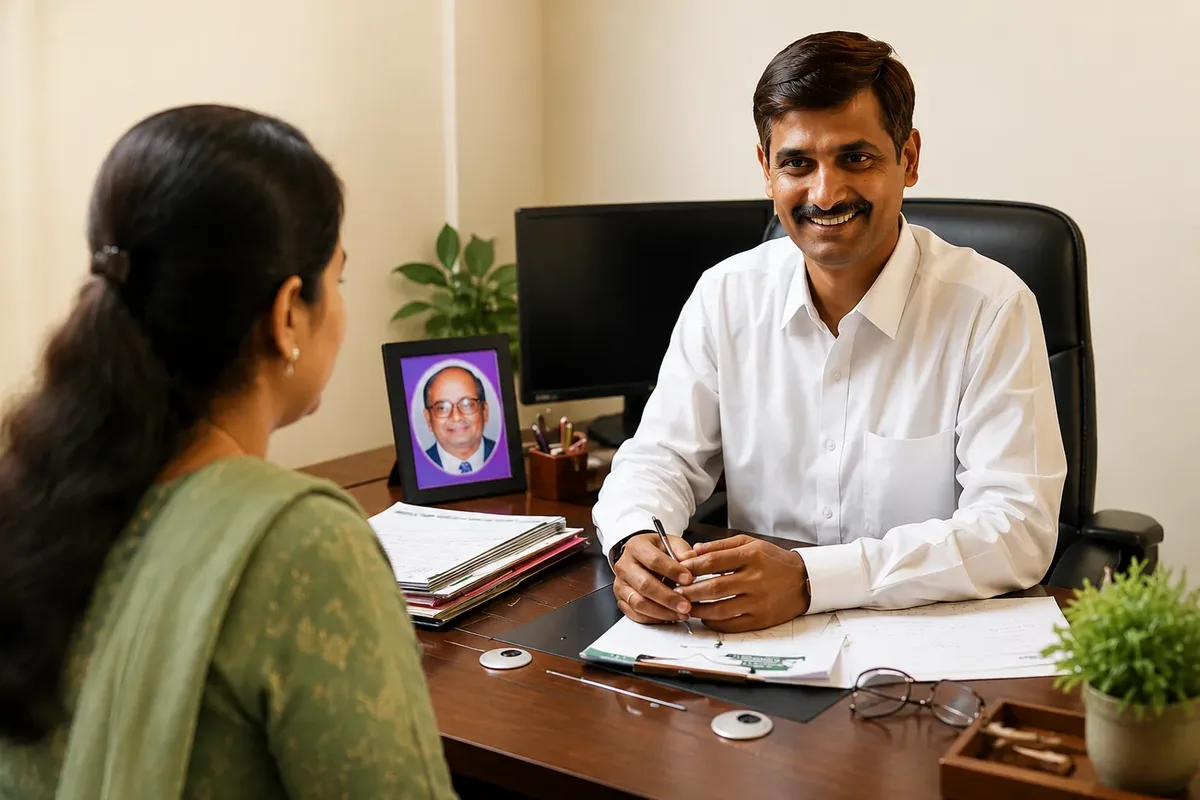
Ayurveda vs Allopathy for Migraine and Headache: The Main Difference
The two systems use different frameworks. Modern medicine defines migraine as a neurological disorder and classifies headache according to recognised diagnostic criteria. Ayurveda assesses the person's symptoms alongside factors such as Prakriti (body constitution), digestion, sleep, routine and dosha patterns.
These frameworks should not be turned into a simplistic claim that modern medicine only suppresses symptoms while Ayurveda always treats the cause. Modern migraine care includes both acute treatment and long-term prevention, while Ayurvedic evidence for migraine is still developing.
How Conventional Medicine Treats Migraine
Conventional migraine care usually begins with a clinical diagnosis. The International Headache Society describes migraine without aura as recurring attacks that commonly last 4 to 72 hours and can involve pulsating pain, moderate or severe intensity, worsening with routine activity, nausea, and sensitivity to light and sound.
Treatment can have two broad goals. Acute treatment aims to manage an individual attack. Preventive treatment aims to reduce how often attacks occur, how severe they are, or how much disability they cause. NHS and NICE guidance includes several medication and non-medication options, selected according to the person's clinical situation.
This is also where conventional care is particularly important when a headache is new, severe, unusual, associated with neurological symptoms, or needs imaging or specialist assessment.
How Ayurveda Approaches Migraine
Ayurvedic migraine care is generally personalised. A doctor may explore headache characteristics together with food patterns, digestion, sleep, stress, bowel habits, menstrual history and daily routine. Traditional descriptions such as Ardhavabhedaka are sometimes used when discussing migraine-like presentations.
Management may include changes to diet and routine, yoga or breathing practices where appropriate, clinician-selected Ayurvedic medicines, and procedures such as Nasya or other Panchakarma therapies in selected patients.
A review of clinical research on Ayurveda for migraine found studies reporting improvement with several Ayurvedic approaches. However, the evidence base had limitations such as small sample sizes, variable treatment combinations and limited follow-up. That means Ayurveda can be discussed as a complementary treatment option, but it should not be presented as a guaranteed replacement for established migraine care.
Ayurveda vs Allopathy for Migraine and Headache: Side-by-Side
| Area | Conventional medicine | Ayurveda |
|---|---|---|
| Main framework | Neurological diagnosis, headache classification, acute and preventive treatment. | Individualised Ayurvedic assessment including symptoms, Prakriti, digestion, sleep, diet and routine. |
| During an acute attack | Evidence-based acute medicines may be used according to the patient's diagnosis and medical history. | Traditional care is not a substitute for emergency or acute neurological assessment. Supportive measures may be discussed with the Ayurvedic doctor. |
| Prevention | Preventive medicines, behavioural care and other therapies may reduce attack frequency or severity. | May focus on regular routine, diet, stress, sleep and selected medicines or therapies. Clinical evidence is still developing. |
| Speed | Acute treatments are designed to work during attacks. Preventive treatments take time to assess. | Lifestyle and personalised programmes are generally longer-term and should be reviewed over time. |
| What it needs from you | Accurate diagnosis, adherence, trigger tracking and follow-up. | Accurate diagnosis, adherence to the personalised plan, disclosure of other treatments and follow-up. |
| Evidence base | Large guideline and clinical-trial base for many migraine treatments. | Smaller and more heterogeneous clinical literature for migraine-specific Ayurvedic interventions. |
##
Which Is Faster?
If you are in the middle of a disabling migraine attack, conventional acute migraine treatment has a clearer evidence base for rapid symptom management. That does not mean every medicine works for every person, and it does not mean frequent self-medication is harmless. Medication overuse itself can contribute to headache in some people.
Ayurvedic care is better understood as a personalised programme that may address routine, diet, sleep, stress and other individual factors over time. It should not be marketed as an instant emergency treatment.
Which Is Better for Long-Term Migraine Management?
There is no evidence-based answer that one system is universally better. Migraine is often a long-term neurological tendency, and prevention can involve several strategies. A 2026 review in The American Journal of Medicine described migraine management as increasingly multimodal and patient-centred, combining conventional care with evidence-based behavioural and complementary options where appropriate.
If your goal is to reduce frequent reliance on acute medicines, read about migraine treatment without painkillers as a separate topic. It should not be interpreted as advice to stop prescribed medication.
When You Should See a Neurologist or Emergency Service First
Do not delay conventional assessment because you prefer a natural approach. Seek urgent medical help for a sudden extremely severe headache, new weakness or numbness, confusion, trouble speaking, seizures, fever with a stiff neck, or headache after a significant injury. NHS guidance treats these as warning situations.
You may also need specialist assessment if your headache pattern has changed significantly, attacks are becoming much more frequent, treatment is not working, or the diagnosis is uncertain.
For local specialist-oriented information, see Migraine specialist in Bengaluru.
Using Ayurveda and Conventional Medicine Together Safely
Integrative migraine care starts with communication. Tell your Ayurvedic doctor about every prescription and over-the-counter medicine you use. Tell your neurologist or physician about Ayurvedic medicines, supplements and procedures as well.
Do not stop preventive or acute migraine medicines simply because you are beginning Ayurvedic care. Changes should be made with the clinician responsible for your treatment. This is especially important during pregnancy, with other neurological conditions, or when you take several medicines.
The strongest care plan is one that is clear about the diagnosis, realistic about benefits and limitations, and regularly reviewed against outcomes such as headache days, severity, disability and medicine use.
You can use SriPAA’s Migraine & Headache Centre as the main information hub for migraine and headache care.
Frequently Asked Questions
Can I take Ayurvedic medicine with migraine tablets?
Sometimes both may be used, but combinations should be reviewed by qualified clinicians because herbal products and medicines can interact. Tell both doctors everything you take.
Which is faster, Ayurveda or allopathy for migraine?
Evidence-based acute migraine medicines are specifically used for managing attacks and generally have a clearer role when rapid symptom treatment is needed. Ayurvedic care is usually planned as an individualised longer-term programme.
Which is better for long-term migraine?
There is no universal winner. Long-term migraine management may include preventive medicines, trigger management, sleep and lifestyle measures, behavioural approaches and complementary care depending on the individual.
Do I need a scan before Ayurvedic treatment?
Not every person with typical migraine needs imaging. The need for a scan depends on the history, examination and warning signs. A clinician should decide, particularly when the headache is new, unusual or accompanied by neurological symptoms.
Can I stop painkillers after starting Ayurveda?
Do not stop prescribed or regularly used medicines without medical advice. If medicine overuse is a concern, discuss a safe plan with the clinician managing your headaches.
Medical disclaimer: This article is for general education and does not replace a diagnosis or treatment plan from a qualified healthcare professional. Headache can have many causes. Do not start, stop or change prescribed medicines or Ayurvedic therapies without medical advice. Seek urgent medical care for a sudden severe headache, new weakness, confusion, fever with a stiff neck, seizures, or headache after a significant injury.
Sources
- NHS. Migraine: symptoms, treatment, prevention and urgent warning signs. https://www.nhs.uk/conditions/migraine/
- World Health Organization. Migraine and other headache disorders, 2025. https://www.who.int/news-room/fact-sheets/detail/headache-disorders/
- International Headache Society. ICHD-3: Migraine without aura. https://ichd-3.org/1-migraine/1-1-migraine-without-aura/
- NICE. Headaches in over 12s: diagnosis and management. https://www.nice.org.uk/guidance/cg150/chapter/recommendations
- Kshirsagar et al. Ayurveda for management of migraine: a narrative review of clinical evidence. https://pmc.ncbi.nlm.nih.gov/articles/PMC9638656/
- World Health Organization. Medication-overuse headache information within headache disorders fact sheet. https://www.who.int/news-room/fact-sheets/detail/headache-disorders/
- Bonakdar et al. Integrative migraine management within a healthcare system, Parts 1 and 2. American Journal of Medicine, 2026. https://pubmed.ncbi.nlm.nih.gov/41933565/