Winter brings calm mornings, cool breezes, and pleasant evenings. But along with the charm, it also brings one of the biggest skin challenges—dryness. Low humidity, chilled air, and cold showers disturb the skin’s natural moisture barrier. Ayurveda explains this through Vata dosha aggravation, which is responsible for dryness, roughness, and dehydration in the body. In this detailed 2025 Ayurvedic guide, we will explore:
- Why skin becomes dry in winter
- Ayurvedic principles behind winter skincare
- Best oils for deeply nourished skin
- Natural home remedies
- Complete daily routines
- Skin-type-wise solutions
- Diet & lifestyle habits for glowing skin
- When to consult an Ayurvedic specialist
This blog is crafted in a simple yet comprehensive manner, useful for both general readers and Ayurvedic wellness enthusiasts.
1. Understanding Why Winter Causes Dry Skin (Ayurvedic View)
Ayurveda identifies Vata dosha as the energy of movement, cold, dryness, roughness, and lightness. Winter naturally has qualities similar to Vata—cold, dry, and windy. So during winter, Vata increases in the body and reflects on the skin.
Signs of Vata-aggravated winter skin
- Excess dryness after bath
- Flaky skin around eyebrows, forehead & nose
- Itching
- Cracked heels
- Dandruff or dry scalp
- Tight skin
- Rough texture
- Fine lines becoming more visible
- Lips turning white and cracked
Ayurveda teaches that skin nourishment is not only external. The health of Rasa dhatu (body’s first nutrient tissue) determines the softness, glow, and hydration of skin. When Rasa becomes dry due to cold weather, the skin loses moisture from within.
2. Why Oils Are Essential in Winter According to Ayurveda
While modern skincare focuses on moisturizers, Ayurveda emphasizes oils (tailas) because they:
- Enter deeper layers of skin
- Strengthen tissues
- Balance Vata dosha
- Improve blood circulation
- Slow down skin aging
- Create a protective barrier
- Retain natural glow
Warm oil massage (abhyanga) is a core Ayurvedic practice recommended especially during winter.
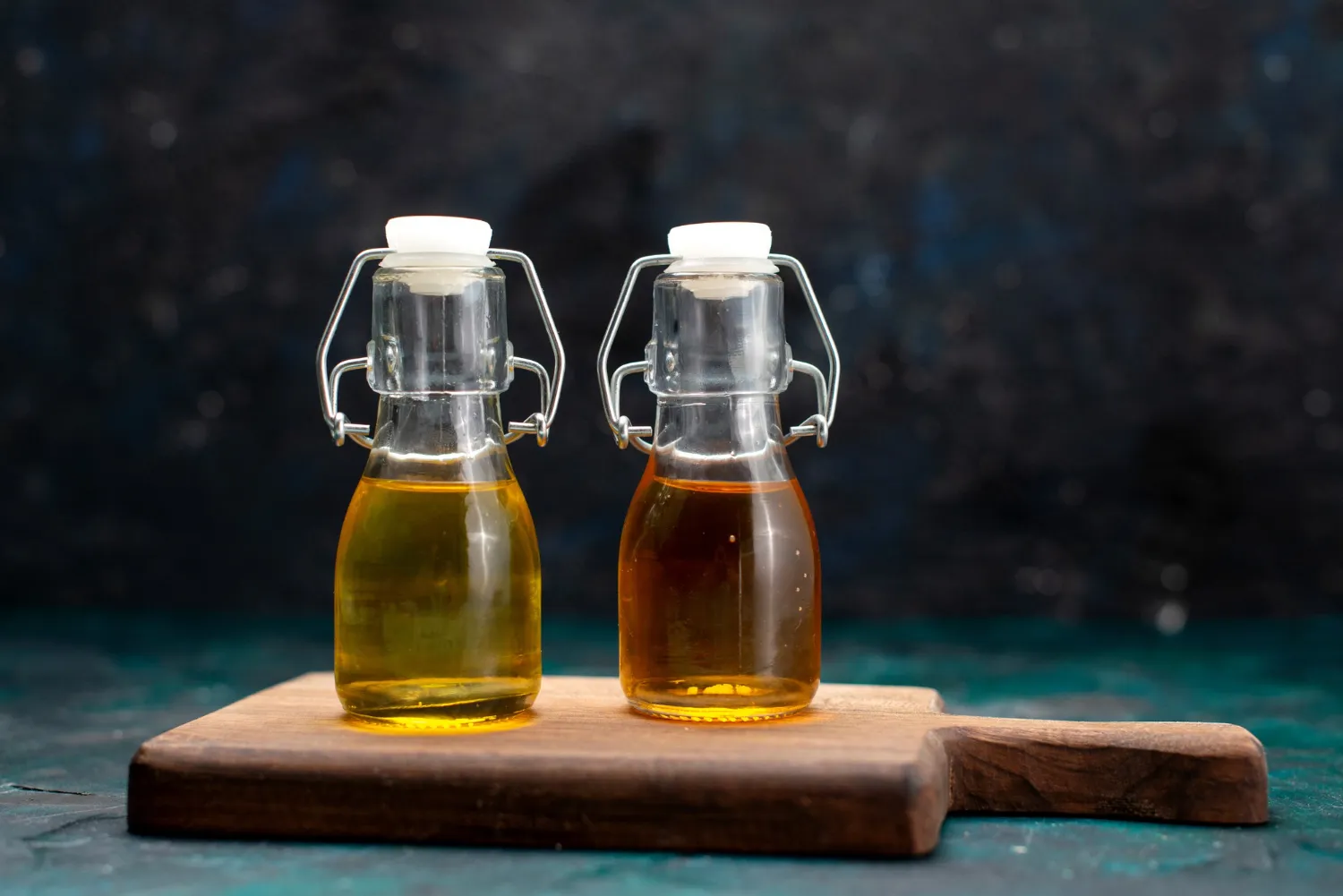
3. Best Ayurvedic Oils for Winter Skincare 2025 (Deep Explanations)
Below is a detailed list of Ayurvedic oils suitable for different skin needs.
1. Sesame Oil (Til Taila) – The King of Winter Oils
Sesame oil is warm, heavy, and intensely nourishing. It penetrates deep into the skin, making it the best oil to pacify Vata.
Benefits
- Prevents dryness in 2–3 days of use
- Reduces roughness & tightness
- Increases elasticity
- Improves circulation
- Strengthens skin barrier
- Reduces winter-triggered itching
How to Use
Warm a small amount. Massage gently from neck to toe. Leave for 20 minutes → take a warm bath. This is the most effective daily winter routine.
2. Almond Oil – Vitamin E Rich Winter Glow Oil
Sweet almond oil provides deep nourishment but without heaviness.
Benefits
- Fades dry patches
- Reduces fine lines
- Gives softness and natural glow
- Reduces under-eye dryness
- Helps with dull complexion
Best For
Dry skin, aging skin, night routine. Apply 4–5 drops at night after cleansing.
3. Coconut Oil – For Sensitive & Irritated Skin
Coconut oil is cooling, but winter dryness can cause irritation or redness, which coconut oil soothes quickly.
Benefits
- Reduces rashes
- Calms redness
- Prevents itchiness
- Hydrates lips
- Softens flaky skin
Tip: Mix with sesame oil to neutralize its cooling nature.
4. Kumkumadi Oil – Ayurvedic Facial Elixir
Kumkumadi Tailam is made with saffron, lotus, sandalwood, and many herbs.
Benefits
- Brightens complexion
- Heals pigmentation
- Hydrates deeply
- Reduces winter dullness
- Clears spots
- Tightens skin
Best For: Night skincare (do not use in the daytime under sun exposure).
5. Mahanarayan Oil – For Skin + Joints in Winter
A powerful oil for both skin and joints—perfect for elders or people with stiffness.
Benefits
- Nourishes skin tissues
- Reduces pain & stiffness
- Improves flexibility
- Hydrates rough skin
6. Brahmi Coconut Oil – For Dry Scalp & Dandruff
Winter commonly increases dry scalp and flakiness. This oil:
- Strengthens hair roots
- Reduces dandruff
- Calms mind
- Prevents hair fall due to dryness
4. Ayurvedic Home Remedies for Winter Dryness (With Detailed Explanations)
These remedies are simple, effective, and chemical-free.
1. Honey + Milk Hydration Pack
Why it works:
- Milk nourishes skin tissues
- Honey attracts moisture (natural humectant)
How to prepare: 1 tbsp honey + 2 tbsp warm milk. Apply for 15 mins → wash. Gives instant smoothness.
2. Ghee Massage for Face & Lips
Pure cow ghee balances Vata deeply.
Benefits
- Heals cracks
- Softens lips
- Treats under-eye dryness
- Gives natural glow
How to use
Take a tiny amount → massage gently → leave overnight.
3. Banana + Yogurt Deep Nourishing Mask
Why use it? Banana restores moisture while yogurt smoothens and cools irritated skin. Use 2–3 times weekly.
4. Aloe Vera + Almond Oil Soothing Mask
Great for people who experience burning, itching, redness, or irritation from cold winds.
5. Turmeric + Sandalwood Brightening Pack
Helps reduce dullness, dark spots, and uneven skin tone. Perfect for winter parties and functions.
5. Complete Ayurvedic Winter Skincare Routine (Morning & Night)
Below is a full routine with detailed steps.
Morning Routine (Step-by-Step)
- Abhyanga (Oil Massage) — Use sesame oil or any suitable oil. Massage for 10–20 minutes.
- Warm Water Bath — Avoid hot water—it increases dryness.
- Gentle Herbal Cleanser — Prefer: gram flour, oatmeal, mild herbal face wash.
- Hydrating Gel — Aloe vera or rose gel acts as a soothing base.
- Moisturizer — Choose a cream-based one—not gel-based during winter.
- Sunscreen — UV rays are active even in winter.
Night Routine
- Remove dirt with a mild cleanser.
- Steam (Once or twice a week) — Helps open pores and absorb oils better.
- Apply facial oil (Kumkumadi or Almond Oil).
- Under-eye Ghee — Keeps the area hydrated.
- Lip Care — Use coconut oil or ghee.
- Hand & Feet Moisturization — Massage with warm oil to prevent cracks.
6. Ayurvedic Lip Care Routine for Winter
Dry lips are directly linked to Vata imbalance. Do this:
- Apply ghee every night
- Use honey as lip mask
- Use coconut oil in daytime
- Avoid licking lips
- Stay hydrated
7. Ayurvedic Diet for Glowing Winter Skin
Internal nourishment is more important than external creams.
Foods to Eat
- Ghee-infused warm meals
- Sesame seeds & ladoos
- Almonds, walnuts
- Dates & figs
- Soups & dal
- Warm milk with turmeric
- Root vegetables
Foods to Avoid
- Dry snacks
- Chips
- Cold food
- Refrigerated items
- Excess coffee
8. Ayurvedic Lifestyle Tips for Winter Skin Health
- Sleep early
- Avoid long hot showers
- Do oil pulling daily
- Practice yoga: cat-cow, child’s pose, forward bends
- Drink warm water
- Avoid harsh soaps
- Wear cotton layers
- Massage feet with ghee at night
9. Winter Skincare by Skin Type
Dry Skin
- Sesame oil daily
- Heavy moisturizers
- Ghee in diet
- Almond oil at night
Oily Skin
- Use light oils
- Sandalwood packs
- Avoid thick creams
Combination Skin
- Sesame oil for body
- Almond oil for face
- Fruit packs
Sensitive Skin
- Coconut oil mix
- Aloe vera use
- Avoid turmeric if it burns
10. When Should You Visit an Ayurvedic Doctor?
Visit SriPAA Ayurveda if you have:
- Constant dry patches
- Eczema-like symptoms
- Dandruff with redness
- Cracks that bleed
- Skin sensitivity
- Allergic reactions
Ayurveda offers personalized therapies that balance doshas from the root.
Conclusion
Winter skincare is not complicated. Ayurveda reminds us that the body thrives when warmth, nourishment, and routine are maintained. Using oils, eating warm foods, following daily abhyanga, and keeping Vata in balance can give you glowing, soft, healthy skin throughout winter.
Book now