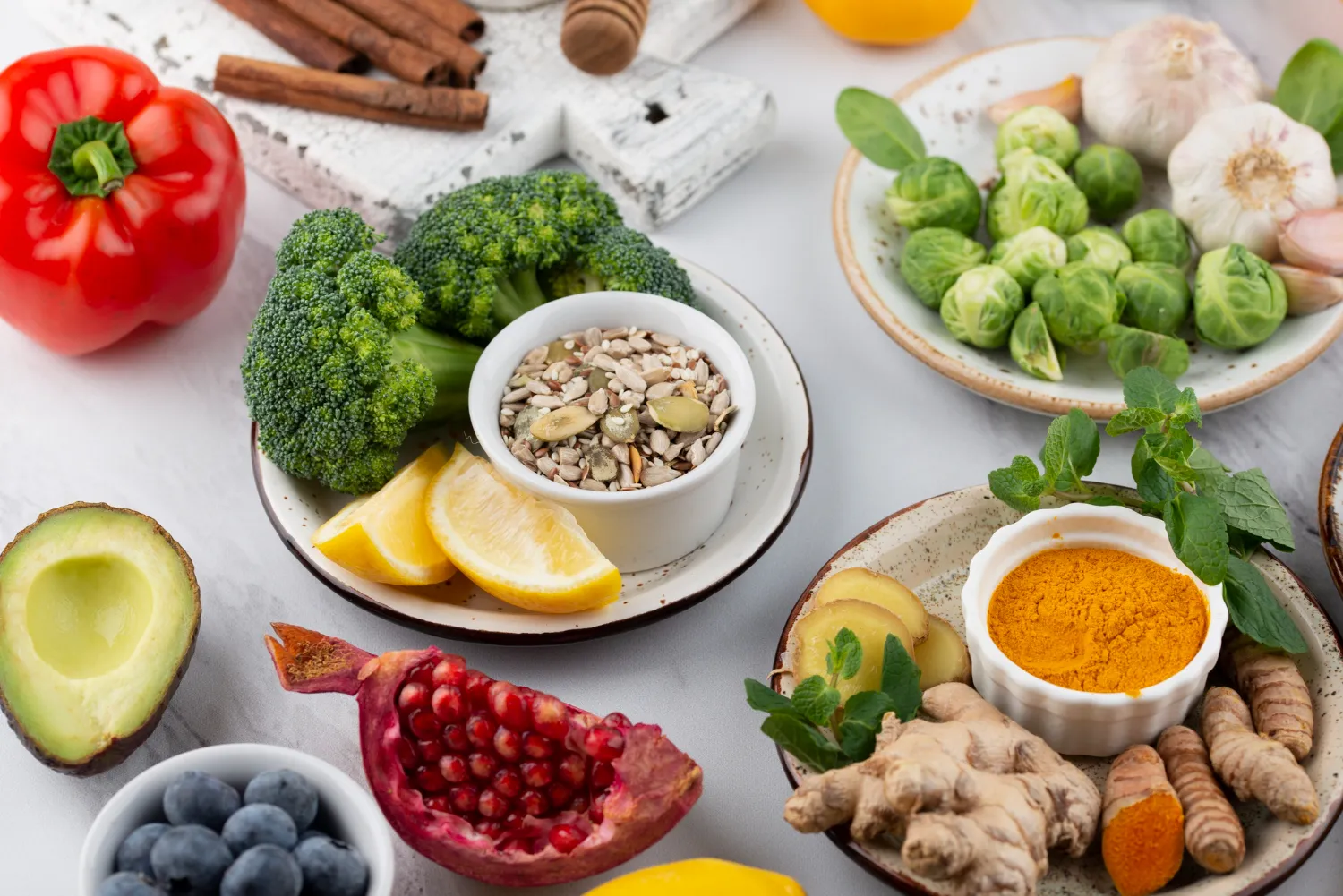
Winter is the season when nature encourages the body to slow down, conserve heat, and seek nourishment. According to Ayurveda, winter is a time when Agni (digestive fire) naturally becomes stronger. If supported with the right foods, this season can become the best time to boost immunity, strengthen tissues, and improve overall energy.
This 2025 Winter Diet guide from SriPAA Ayurveda is created to help you understand:
- What to eat in winter
- How to balance your doshas
- How to keep digestion strong
- Which warming foods enhance immunity
- What herbal drinks to add
- What foods to avoid
- A complete morning–night diet plan
Let’s dive deep into Ayurveda’s winter recommendations.
1. Ayurveda’s Winter Concept: Why Your Body Needs a Different Diet
Ayurveda explains that the winter season belongs to Hemanta & Shishira Ritus (November–February). These months are:
- Cold
- Dry
- Heavy
- Windy
- Rough
These conditions increase Vata dosha, but at the same time, cold weather pushes the digestive fire (Agni) inward, making it more powerful.
What does this mean?
You will digest food better in winter than any other season, but only if you eat warming, nourishing foods.
What happens if diet is wrong?
- Indigestion
- Bloating
- Gas
- Low immunity
- Dry skin
- Joint pain
- Fatigue
- Seasonal colds
Ayurveda says winter foods must be:
- Warm
- Oily
- Nutritious
- Easy to digest
- Spiced with Agni-enhancing herbs
2. Top Warming Foods for Winter 2025 (Ayurvedic Must-Haves)
Below is a carefully curated list of foods ideal for winter.
1. Ghee – The Most Important Winter Superfood
Ghee strengthens digestion, immunity, skin, joints, and mind.
Benefits:
- Lubricates internal organs
- Prevents dryness
- Keeps Agni stable
- Enhances nutrient absorption
Daily dose: 1–2 tsp in meals.
2. Sesame Seeds & Ladoos
Sesame generates warmth and balances Vata.
Why essential?
- High in healthy fats
- Great for bones
- Improves digestion
- Good for elderly
Try: sesame ladoo, sesame chutney, sesame oil in cooking.
3. Seasonal Millets
Millets are excellent in winter: ragi (iron + calcium rich), bajra (warming), jowar. They support Agni and keep you full for long hours.
4. Root Vegetables
Root veggies grow underground and carry earth element (Prithvi), perfect for grounding Vata. Include sweet potato, carrot, beetroot, potato, yam. Lightly spiced, warm root vegetables improve metabolism.
5. Soups & Warm Liquids
Hot soups help maintain warmth. Best winter soups: carrot–ginger soup, moringa soup, tomato–pepper soup, moong dal soup, vegetable clear soup with spices.
6. Nuts & Dry Fruits
These provide healthy fats and improve immunity. Eat almonds, walnuts, figs, dates, raisins. Soak almonds overnight; eat in morning.
7. Dairy
Dairy works wonderfully in winter: warm milk with turmeric, buttermilk (during daytime), paneer in moderation.
8. Jaggery
A natural warming sweetener. Benefits: prevents cold, enhances hemoglobin, improves digestion.
9. Herbal Spices
Winter must include spices that stimulate Agni: ginger, pepper, cinnamon, cumin, ajwain, methi, turmeric, mustard seeds.
3. Complete Ayurveda Winter Meal Plan 2025 (Morning–Night)
Morning — Best Warming Start
- Warm water + lemon + honey — boosts metabolism and clears toxins.
- Soaked almonds or dates milk — great for energy and skin.
- Breakfast options (choose warming, nutritious meals):
- Millet dosa with ghee
- Vegetable upma with pepper
- Ragi porridge
- Warm poha with peanuts
- Moong dal chilla
- Oats with nuts
Avoid cold smoothies or fruit juices.
Lunch — Heaviest Meal (Agni is Strongest)
Ideal winter lunch plate:
- Warm rice or millets
- Ghee
- Dal or sambar
- Cooked vegetables
- Soup
- Small bowl of curd (add pepper)
Include spices: ginger, hing (asafoetida), mustard, jeera.
Evening — Agni Becomes Low
Avoid heavy snacks. Choose:
- Herbal tea
- Ginger tea
- Roasted nuts
- Fruit with cinnamon
- Light soup
Dinner — Light & Easy-to-Digest
- Khichdi with ghee
- Clear soup
- Light dal with vegetables
- Roti with sabzi
Avoid heavy, oily food at night.
4. Best Winter Herbal Drinks & Decoctions (2025)
Ayurveda recommends hot drinks that improve immunity.
1. Ginger-Tulsi Tea
Strengthens respiratory system. Recipe: boil water → add ginger, tulsi, pepper → sip warm.
2. Turmeric Milk
Anti-inflammatory and soothing. Recipe: warm milk + ¼ tsp turmeric + pinch of pepper.
3. Cumin-Coriander-Fennel Water
Improves digestion after lunch.
4. Cinnamon Hot Water
Improves blood circulation and warmth.
5. Ayurvedic Kashaya (Kadha)
Ideal for immunity. Ingredients: dry ginger, pepper, tulsi, cinnamon, jeera, small pinch jaggery. This is one of the best winter drinks.
5. Dosha-Based Winter Diet (2025)
Vata Dosha (Most Affected in Winter)
Eat: ghee, sesame, soups, stews, warm milk, sweet potato, bananas, almonds.
Avoid: dry snacks, raw vegetables, cold drinks, fast food.
Pitta Dosha
Winter is best for Pittas—they digest well. Eat: rice, wheat, ghee, sweet fruits, warm milk, dal. Avoid: excess spicy food, excess salt, coffee.
Kapha Dosha
Kapha needs light, warm foods. Eat: ginger, pepper, light soups, barley, millet, bitter vegetables. Avoid: sweets, yogurt at night, heavy fried foods.
6. Foods to Avoid Completely in Winter (According to Ayurveda)
- Cold water
- Ice creams
- Cold juices
- Raw salads
- Aerated drinks
- Frozen foods
- Oily, heavy snacks at night
- Too much coffee
- Bread, pastries
These weaken Agni and block immunity.
7. Ayurvedic Winter Recipes (2025)
Here are three powerful recipes you can add to your routine.
1. Vata-Balancing Winter Khichdi
Ingredients: rice, moong dal, ghee, turmeric, cumin, vegetables.
Benefits: Highly nourishing & improves digestion.
2. Ginger-Pepper Soup
Improves warmth and immunity.
3. Sesame-Jaggery Ladoo
Winter immunity booster. Eat 1 laddu daily.
8. Scientific Benefits of Following an Ayurvedic Winter Diet
- Stronger digestion
- Better absorption of nutrients
- Healthy skin & hair
- Improved immunity
- Reduced cold & flu
- Better energy
- Reduced joint pain
- Balanced mood
9. FAQs
Can I eat fruits in winter?
Yes — prefer warm fruits like apples, pears, pomegranate.
Should I avoid curd?
You can eat curd in daytime with pepper. Avoid at night.
Is milk good for winter?
Yes, especially warm milk with spices.
What is the best winter drink?
Ginger-tulsi tea or turmeric milk.
Book now