Late Winter (Shishira Ritu) – Ayurvedic Care for Skin & Hair
Introduction
In Ayurveda, late winter is known as Shishira Ritu. This season is dominated by cold (Sheeta), dryness (Ruksha), and heaviness (Guru) qualities. These environmental attributes aggravate Vata Dosha and influence the condition of skin (Twak) and hair (Kesha).
According to Ayurvedic texts, seasonal changes directly affect Dosha balance, Agni (digestive fire), and Dhatu nourishment. When Vata increases during Shishira Ritu, dryness and roughness manifest first in external tissues such as skin and scalp.
Ayurvedic Understanding of Skin & Hair in Winter
1. Role of Vata Dosha
Vata has qualities of:
- Dryness (Ruksha)
- Coldness (Sheeta)
- Lightness (Laghu)
- Roughness (Khara)
When aggravated, Vata leads to:
- Dry skin
- Cracking
- Rough texture
- Hair fall
- Brittle hair
2. Dhatu Involvement
According to Ayurveda:
- Rasa Dhatu nourishes skin
- Rakta Dhatu gives complexion
- Asthi Dhatu supports hair growth
If nourishment to these dhatus is compromised due to seasonal imbalance, skin dryness and hair weakness occur.
Common Late Winter Skin Conditions (Ayurvedic Perspective)
Twak Rukshata (Skin Dryness)
Caused by aggravated Vata and reduced Snigdhata (unctuousness).
Ayurvedic Management:
✔ Abhyanga (Oil Massage)
Daily application of:
- Tila Taila (Sesame oil)
- Bala Taila
- Ksheerabala Taila
Abhyanga reduces Vata, improves circulation, and restores skin softness.
Padadari (Cracked Heels)
Classically mentioned as a Vata disorder.
Recommended:
- Application of ghee
- Jatyadi Taila locally
- Regular oiling before bath
Twak Vaivarnya (Dull Complexion)
Due to improper Rakta nourishment.
Suggested Herbs:
- Manjistha
- Chandana
- Kumkuma (Saffron)
- Lodhra
External application of herbal lepas helps maintain natural complexion.
Hair Problems in Shishira Ritu
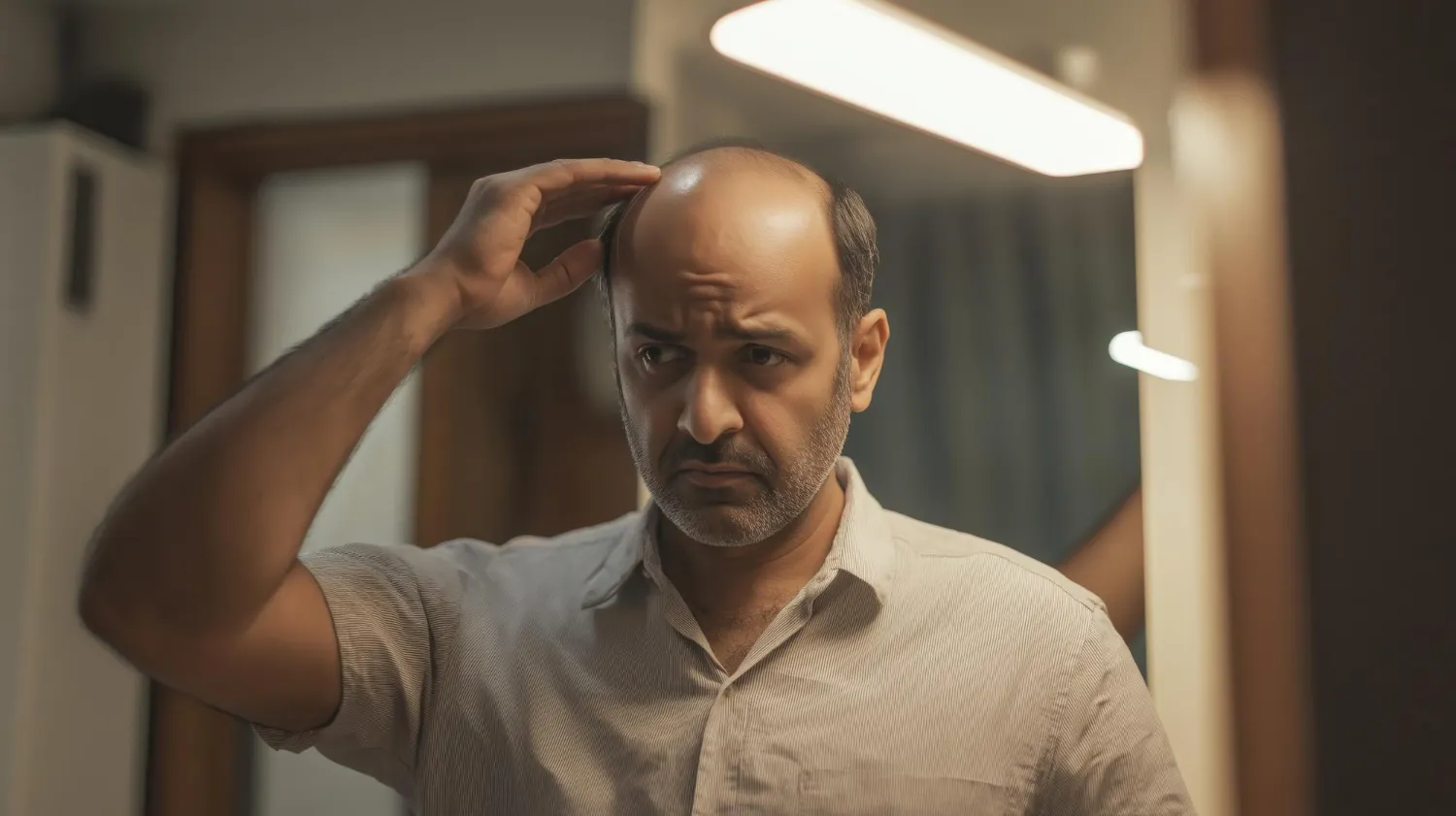
Kesha Patana (Hair Fall)
Hair fall is related to:
- Vata aggravation
- Weak Asthi Dhatu
- Poor nourishment
Classical Oils:
- Bhringraj Taila
- Neelibhringadi Taila
- Narikela Taila
Regular Shiro Abhyanga reduces hair fall and strengthens follicles.
Darunaka (Dandruff)
Described in Ayurveda as a Kapha-Vata disorder affecting the scalp.
Management Includes:
- Application of Nimba (Neem) paste
- Triphala decoction wash
- Medicated oils
Dietary Guidelines (Ahara) in Late Winter
Ayurveda emphasizes seasonal diet (Ritucharya).
Foods to Include:
- Warm and freshly prepared meals
- Ghrita (Ghee) in moderation
- Milk
- Sesame seeds
- Wheat preparations
- Moong dal
- Root vegetables
Foods to Avoid:
- Excess dry foods
- Cold and refrigerated items
- Excess fasting
- Raw and uncooked foods
Maintaining balanced Agni ensures proper Dhatu nourishment and prevents dryness.
Recommended Lifestyle (Vihara)
- Daily oil massage
- Warm water bath
- Regular exercise (moderate intensity)
- Protect body from cold wind
- Adequate sleep
Avoid:
- Excess exposure to cold wind
- Late-night wakefulness
- Excess stress
Internal Support (Under Ayurvedic Supervision)
Certain classical formulations are traditionally used for seasonal Vata imbalance:
- Ashwagandha
- Triphala
- Chyawanprash
- Amalaki Rasayana
(These should be taken only under qualified Ayurvedic guidance.)
Seasonal Detox (If Required)
Mild Vata-pacifying therapies may be advised by Ayurvedic physicians, such as:
- Abhyanga
- Swedana
- Basti (in indicated cases)
Panchakarma is chosen based on Prakriti and Dosha condition.
Conclusion – Ayurvedic Seasonal Care with Sripaa
Shishira Ritu naturally increases Vata Dosha, leading to dryness of skin and weakness of hair. Ayurveda recommends following Ritucharya (seasonal regimen), proper Ahara, daily Abhyanga, and appropriate herbal support to maintain balance.
At Sripaa, Ayurvedic principles are followed in alignment with classical texts, focusing on Dosha balance, Dhatu nourishment, and seasonal care. Individual Prakriti assessment and traditional therapies help address root causes rather than surface symptoms.
Following authentic Ayurvedic guidance ensures healthy skin and strong hair during late winter.